

Article: Are Açaí Bowls Healthy? A Guide to Nutrition, Protein, Sugar & Building a Better Bowl

Are Açaí Bowls Healthy? A Guide to Nutrition, Protein, Sugar & Building a Better Bowl
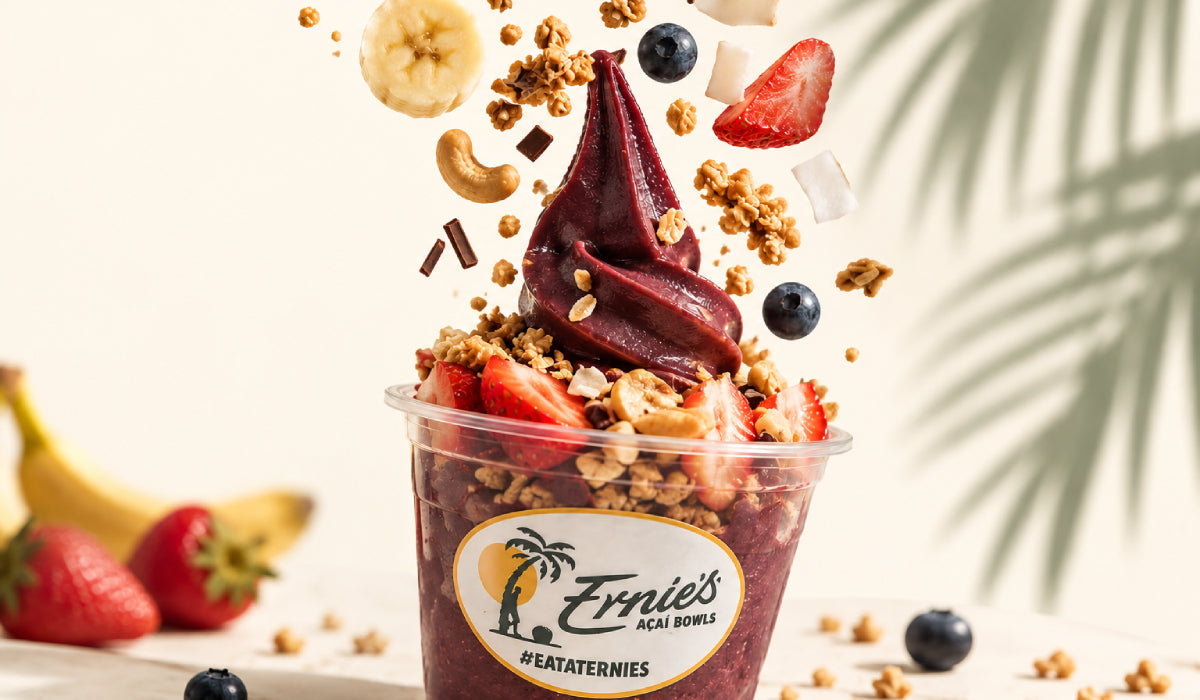
Let’s be real, açaí bowls look amazing. They look fresh, colorful, packed with fruit, and topped with delicious extras like granola, seeds, nut butters, and fresh berries.
But are açaí bowls actually healthy?
Well… long story short: yes, if you build them right.
What matters most is what actually goes into your bowl. The açaí base, added sugars, portion size, toppings, fiber, healthy fats, and protein all play a role in whether you have a healthy meal or a mouthwatering dessert that fits your cheat meal.
A well-built açaí bowl can be a great breakfast, quick nutritious snack, or post-workout refuel option. On the flip side, a large bowl loaded with sweetened ingredients and oversized portions can have a very different nutritional profile and will add a lot of calories to your diet.
So instead of asking whether every açaí bowl is healthy or not, let's ask a better question:
What makes a really good açaí bowl?
Here's what you should know.
What Is Açaí?
Açaí is a small dark purple fruit that grows exclusively in the tropical regions of Central and South America. Real açaí (pronounced ah-sigh-EE) is nothing like the sugary, sorbet-style treat served at most corporate smoothie shops.
Harvested from the açaí palm, this grape-looking fruit is naturally low in sugar, rich in healthy omega fats, and packed with powerful antioxidants. Unlike sweet fruits like strawberries or bananas, pure açaí brings a rich, distinctive earthy flavor and because it's highly perishable, it is puréed and frozen immediately after harvest to lock in its vital nutrients.
In recent years açaí has become popular in the wellness world because of its nutritional density and naturally occurring plant compounds.
But there's an important distinction that you should know:
Açaí and an açaí bowl are not the same thing.
The moment açaí becomes the base of a bowl, everything blended into it and layered on top completely shifts the nutritional profile. You have to consider the added fruit, juices, granola, honey, nut butters, and seeds because they all matter. That is exactly why two bowls could look almost identical but one can be a clean recovery fuel and the other a hidden sugar bomb.

What Makes an Açaí Bowl Healthy?
The key to making a great bowl is to find the right balance.
Instead of deciding whether an açaí bowl is "healthy" based on its name or appearance, look at the individual components.
Start With the Açaí Base
The base is how you start your bowl. The foundation.
Açaí preparations can vary considerably. Some use relatively simple fruit-based blends. Others may contain sweeteners, syrups, juices, or additional ingredients.
Knowing what's actually in the base gives you a much better idea of what you're eating.

Add Whole Fruit
Strawberries, blueberries, raspberries, bananas, mangoes, and other fruits can bring natural sweetness, texture, fiber, vitamins, and minerals to a bowl.
Real fruit should make a bowl more satisfying without relying entirely on sweet drizzles or syrups for flavor.
Include Fiber and Healthy Fats
Ingredients like chia seeds, flaxseeds, nuts, and nut butters can contribute fiber and fats while adding texture and flavor.
Be Intentional With Granola and Sweet Toppings
Granola, honey, chocolate, nut butters, and other toppings can absolutely have a place in your bowl.
Just remember that toppings affect the overall calories, sugar, and macronutrient profile.
The goal isn't to build the most restrictive bowl possible.
The goal is to build a bowl that fits your lifestyle and what you need that day.

Açaí Bowl Nutrition: What's Actually in Your Bowl?
As you may think, there isn't one universal calorie, carbohydrate, sugar, or protein number for an açaí bowl.
Recipes and serving sizes vary too much because there are so many variables and alternatives to choose from.
A smaller bowl with a simple fruit base and fresh berries will have a very different nutritional composition from a large bowl loaded with granola, nut butter, chocolate, honey, and other toppings.
So here's what to pay attention to.
Calories
Calories come from the entire bowl, not just the açaí.
Nuts, seeds, granola, nut butters, fruit, chocolate, and other ingredients all contribute to the final calorie count.
That doesn't make calorie-dense ingredients "bad." Many can also provide useful nutrients and may be just what you need.
Portion and context matter.
Carbohydrates and Sugar
First, fresh plain fruit naturally contains simple and complex carbohydrates made up of natural sugars, starches, and dietary fiber.
Then, depending on how an açaí bowl is prepared, additional sugars may also come from sweetened bases, juices, granola, honey, syrups, chocolate, and other toppings.
Understanding what types of carbohydrates and where the sugar comes from is more useful than simply seeing a total number on the nutrition facts label.
Fiber
Whole fruits, seeds, nuts, and oats bring essential fiber to your bowl, supporting smooth digestion and aiding natural hormonal balance.
Beyond keeping your gut happy, fiber helps regulate blood sugar levels and delivers sustained, long-lasting fullness without the afternoon energy crash.
Healthy Fats
Açaí berries naturally contain healthy omega fats, and adding chia seeds, coconut, almonds, or peanut butter will just naturally increase the amounts of healthy fats.
These nutrient-dense fats help slow down digestion, keeping your energy steady and preventing sudden sugar spikes.
Pro Tip: Nut butters and seeds add great flavor and recovery benefits, but a little goes a long way. Stick to a single spoonful to keep your calories in check so you can stay on track.
Protein
A standard fruit-focused bowl gives you great quick energy, but it contains very little protein on its own.
So adding protein powder, nuts, seeds, or nut butter is such a great idea because it increases the protein intake and makes the açaí bowl a more balanced meal.
This way you could transform your bowl from a light fruit snack into a complete post-workout recovery meal. It gives your body the amino acids needed for muscle repair while keeping you comfortably full for hours.
How to Build a High-Protein Açaí Bowl for Fitness & Recovery
If you live an active life and run, lift, cycle, practice yoga or Pilates, play sports, or simply want breakfast to keep you satisfied longer, then protein is worth thinking about.
Depending on the menu and your dietary preferences, protein additions may include:
- Plant-based or whey protein powder
- Peanut, almond, or other nut butters
- Hemp seeds
- Chia seeds
- Flaxseeds
- Nuts
But wait… You absolutely don't need to turn your açaí bowl into a mega protein shake.
Think about balance instead.

Fruit provides carbohydrates. Nuts and seeds can provide fats, fiber, and some protein. A dedicated protein source can increase the overall protein content when that's important to your goals.
What works for a light afternoon snack may be very different from what you want after a challenging workout.
Should You Eat an Açaí Bowl Before or After a Workout?
There is no right or wrong answer here. Açaí bowls can work as a pre-workout or post-workout option for your nutrition goals.
What is going to decide what’s the better approach is your training, timing, portion size, individual digestion, and what else you've eaten that day.
Açaí Before a Workout
To tackle a challenging workout routine you need carbohydrates since they are an important energy source during exercise.
Because açaí bowls commonly contain fruit, they can provide those much needed carbohydrates before training.
However, if you're eating relatively close to your workout, you should go with a smaller, simpler bowl rather than one loaded with heavy toppings.
Everyone handles food before exercise differently, so pay attention to your body and act accordingly.
Açaí After a Workout
After training, your body is in recovery mode and carbohydrates and protein play a huge role during that process.
To keep it simple, carbohydrates help replenish energy stores, while protein provides amino acids used in muscle repair and maintenance.
If your regular post-workout açaí bowl is mostly fruit, then consider adding a meaningful protein source from now on to give your body what it needs to recover.
Protein powder, nut butter, nuts, or seeds can help create a more balanced post-workout option.

Understanding Sugar in Açaí Bowls
Let's be clear:
Açaí bowls contain sugar.
Just fresh fruit naturally contains sugar and, depending on where and how your bowl is made, additional sugar can also be added. This added sugar can come from sweetened bases, juices, granola, honey, syrups, chocolate, and other ingredients.
But don’t panic, that doesn't automatically make the bowl unhealthy.
It means you need to look at the whole bowl.
If reducing added sugar is one of your goals, start by understanding the base. Then consider the amount and type of fruit, granola, drizzles, and other toppings you're adding.
Also remember that protein, fiber, and fats can help you build a more balanced meal.
Is Açaí Low Glycemic?
You may see açaí described online as a "low-glycemic" food.
But be careful about applying that label to an entire açaí bowl.
The final bowl may contain fruit, juice, granola, honey, chocolate, and other carbohydrate sources. The ingredients and portions determine the finished product with its nutrition facts.
If you follow a strict low-sugar, low-carbohydrate, keto, or medically prescribed diet, look at the actual ingredients and nutritional information rather than assuming an açaí bowl fits your diet simply because it contains açaí.

7 Simple Rules for Building a Healthier Açaí Bowl
Good news! You don't need a degree in nutrition to make a more informed choice.
Keep these seven açaí bowl building rules in mind.
1. Know Your Base
Find out what the açaí is blended with and whether additional sweeteners are used.
2. Look Beyond the Word "Açaí"
The berry itself is only one component. Look at the complete ingredient list.
3. Prioritize Whole Fruit
Fresh fruit brings flavor, texture, fiber, vitamins, and minerals.
4. Don't Forget Protein
If your bowl is replacing a meal or following a workout, consider adding a meaningful protein source.
5. Include Fiber and Healthy Fats
Nuts, seeds, and nut butters can help create a more balanced bowl.
6. Be Mindful of Sweet Toppings
Honey, chocolate, granola, and other sweet toppings can be delicious. Just remember that they contribute to the complete nutritional profile.
7. Match Your Portion to Your Day
A quick afternoon snack doesn't need to look the same as breakfast after a long workout.
Most importantly: Build something you actually enjoy eating.
To sustain healthy eating it has to work with your lifestyle and not make food feel like punishment.
Can Açaí Bowls Fit Different Diets and Lifestyles?
One reason açaí bowls have become popular is their flexibility.
Depending on the base and toppings, bowls can potentially be customized around different preferences and dietary needs.
Vegan Açaí Bowls
Açaí itself is plant-based, but the finished bowl may contain ingredients that aren't vegan. Check the base and toppings, particularly items like honey, certain granolas, protein powders, and other add-ons.
Lower-Sugar Eating
If reducing sugar is important to you, pay attention to both the base and toppings.
Choosing a simpler base and being intentional with sweetened toppings can make a meaningful difference.
Low-Carb and Keto Diets
Traditional fruit-based açaí bowls can contain significant carbohydrates.
If you're following a strict low-carb or ketogenic diet, review the specific ingredients and portions rather than assuming a bowl is compatible.
Gluten-Free Eating
Açaí itself is naturally gluten-free, but toppings and preparation practices can vary.
If you have a medical need to avoid gluten, always verify individual ingredients and cross-contact practices with the restaurant.
What Makes Ernie's Açaí Different?
At Ernie's Açaí, we take the base seriously.
Our proprietary blend is made with organic Grade A açaí, fruit, and fruit juice. We don't add ice or water to dilute the blend.
And you may ask… why does that matter?
Because a great bowl starts long before the toppings go on.
Our açaí is vegan-friendly and naturally gluten-free, and our menu gives you plenty of ways to build around your lifestyle.
Maybe you're grabbing breakfast before work in Miami Lakes or you're cooling down after a walk around Pinecrest. Perhaps you're coming off a yoga class in Coral Gables or just finished your run around the Parkland and Coral Springs area.
Or maybe it's simply just another hot South Florida afternoon and you're craving something cold and refreshing.
We get it.
Different days call for different bowls.
For us, it's about quality ingredients, great flavor, and giving you options to make your bowl your own.
Build Your Açaí Bowl Around Your Goals
So, to go back to the original question… are açaí bowls healthy? Yes, they certainly can be.
The right question is whether the bowl you're building fits your needs and goals.
We have gone over the basics. Start with a quality base. Understand where the sugar comes from. Add whole fruit. Think about protein, fiber, and healthy fats. Choose your toppings intentionally. And match your portion to what you're doing that day.
Whether you're heading to class, having a quick lunch, leaving the gym, getting out of the office, or just trying to beat the heat and humidity of South Florida, your bowl should fit your lifestyle.
At Ernie's Açaí, that's exactly how we think about it.
Good ingredients. Good energy. A bowl you actually look forward to eating.
Ready to build yours? Explore the Ernie's Açaí menu or find an Ernie's Açaí location near you.